Malta has no rivers, no coal and no oil of its own. Everything that runs a light here either comes down a cable from Sicily or is burned at one power station in the south.
The interconnector
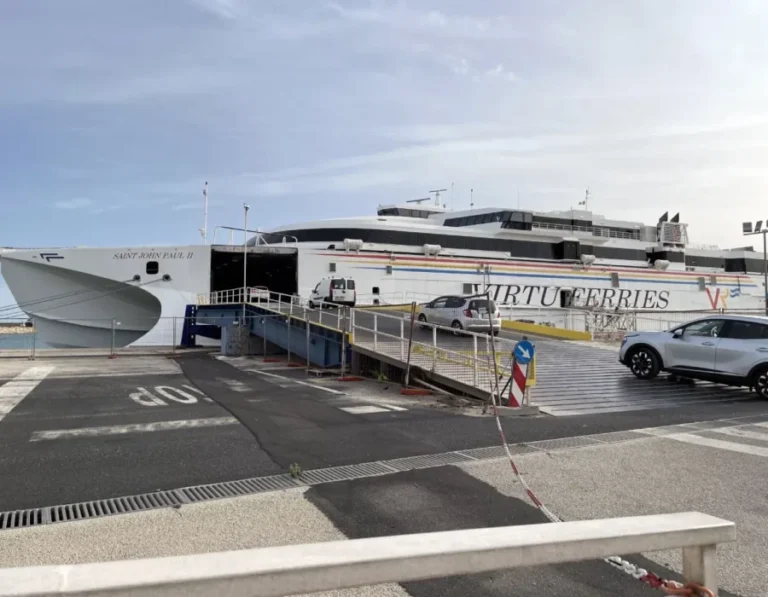
A 200 megawatt cable runs under the sea from Marsa to Ragusa in Sicily and has been working since 2015. It carries a large share of what the island uses and lets Malta buy from the European grid.
A second cable is being built alongside it. One link is a single point of failure, which is the argument for the second.
Delimara
The power station at Delimara, near Marsaxlokk, makes the rest. It runs on liquefied natural gas, delivered by ship and stored at the site.
The old heavy fuel oil plant at Marsa closed and was demolished. Air quality in the inner harbour improved noticeably afterwards.
Solar
Roof panels are common and there are grants for fitting them. Malta gets more sun than almost anywhere in Europe. It is also small, and flat roofs are the only space available, so there are few large solar farms.
If you rent, the panels on the roof are usually the landlord’s and the benefit goes to them.
Why summer evenings are the strain
Demand peaks on hot evenings, when every air conditioner on the island is running at once. The sun has gone by then, so the solar has stopped.
Localised cuts happen in July and August, usually from a failure in the low voltage distribution network rather than a shortage of generation. They tend to last hours rather than minutes.
Keep a torch. If you work from home, a small battery for the router is worth having.
What it costs
Domestic electricity is charged on a rising block tariff, so the unit price goes up the more you use across the year. Heavy air conditioning in summer pushes you into the higher bands.
Water is a separate story. Most of it is made from seawater by reverse osmosis, which we cover in how Malta makes its water.