


Education is compulsory and free in the state sector. It runs through three parallel systems, which surprises people from countries with only one.
Which route a family takes is one of the bigger decisions of moving here.
The three systems
State schools are free and bilingual
They are free to all residents, and teaching is in both Maltese and English. The balance between the two varies by school and by subject.
For a child arriving without Maltese, ask specifically how much of the teaching is in which language.
About Maltese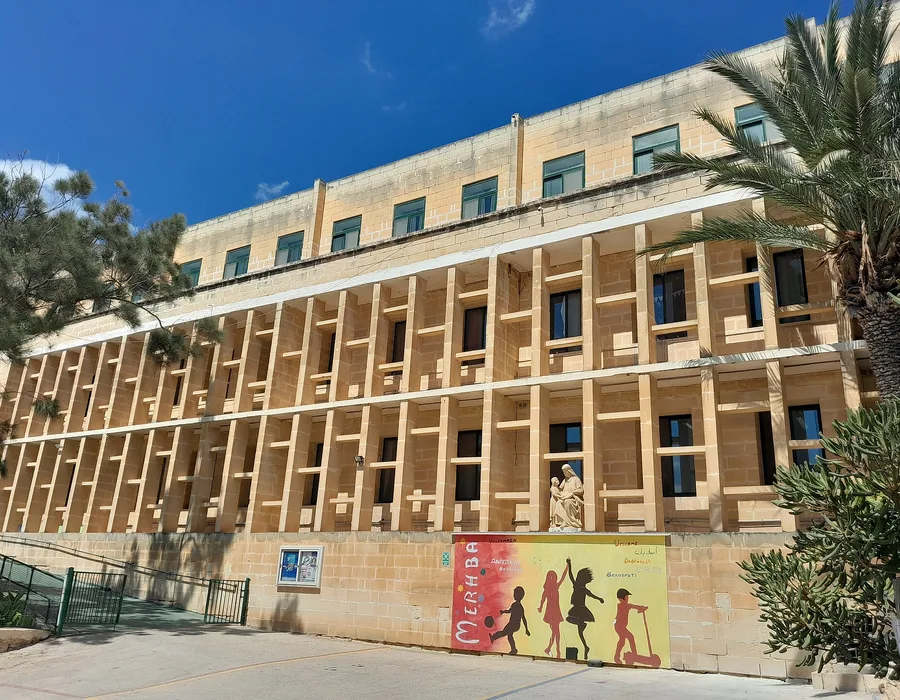
Church schools are free but oversubscribed
These are Catholic schools, funded by the state and free to attend. Places are allocated by ballot rather than by application.
They are popular and the ballot is a lottery, so families rarely plan around getting a place.
Meeting people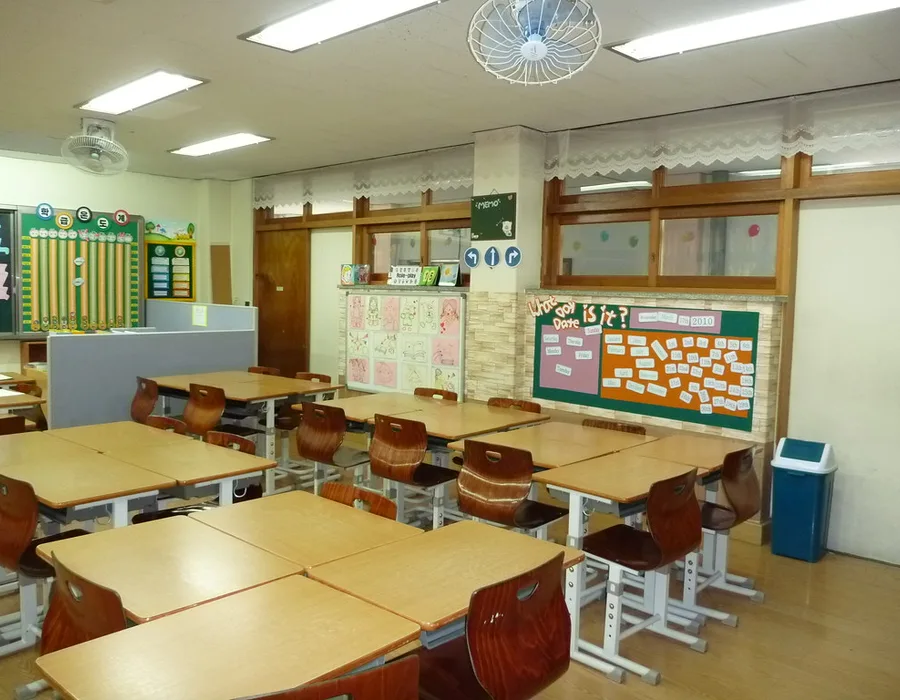
Fee-paying and English-medium schools
These are independent schools, including international ones following British or IB curricula, and they teach mainly in English.
This is the usual route for families arriving mid-education or expecting to move on again.
Bringing family
The three sectors
How they differ
- State schools
- Free, organised into regional colleges, and allocated largely by where you live. They take the full range of the population and teach bilingually in Maltese and English.
- Church schools
- A large and long-established sector, mostly Catholic and run by religious orders. They do not charge fees in the usual sense and rely on a voluntary donation. Places are heavily oversubscribed and allocated by ballot rather than by selection.
- Independent schools
- Fee-paying and privately run, including schools following international curricula. The usual route for families who want an English-medium or international programme, or who arrive mid-year and cannot wait for a ballot.
Language of instruction
Both Maltese and English are used. The balance varies by school and by subject. Children arriving without Maltese usually cope, because English is a working language in the classroom. Maltese is still taught as a subject and is part of the curriculum. For a child who will stay through secondary school this matters more than parents initially assume. It is worth asking any prospective school directly how they support a newly arrived non-Maltese speaker.
Church school ballots run to a fixed annual timetable and missing it means waiting a year. Independent schools fill their popular year groups well ahead. If you are moving with school-age children, this is one of the first things to start rather than one of the last.
After school
Post-secondary education runs through the Junior College and MCAST, which covers vocational and technical routes. The University of Malta is the main university and teaches largely in English.
Admission ages, application windows, college catchments and the curriculum are set by the Ministry for Education. Church school applications go through the ballot run for that sector, and independent schools admit directly.