


Malta is a mixed picture. The bus fleet is mostly modern and low-floor and awareness is good. The problem is the ground itself and the buildings on it. The old centres are built on hills and steps, and pavements outside the main towns are narrow, blocked or simply missing.
Most of Malta is free to walk into. A few sites need booking and they fill up.
What works and what does not
Buses, ferries and the Barrakka lift
Buses are largely low-floor with ramps and priority space. The network is extensive. The harbour and Gozo ferries have level access, and the Gozo crossing takes vehicles and foot passengers alike.
The Barrakka lift connects the Grand Harbour waterfront to the Upper Barrakka Gardens and takes out the steepest climb in Valletta. Accessible taxis exist but there aren’t many, so book well ahead rather than hoping to find one.
Transport in Malta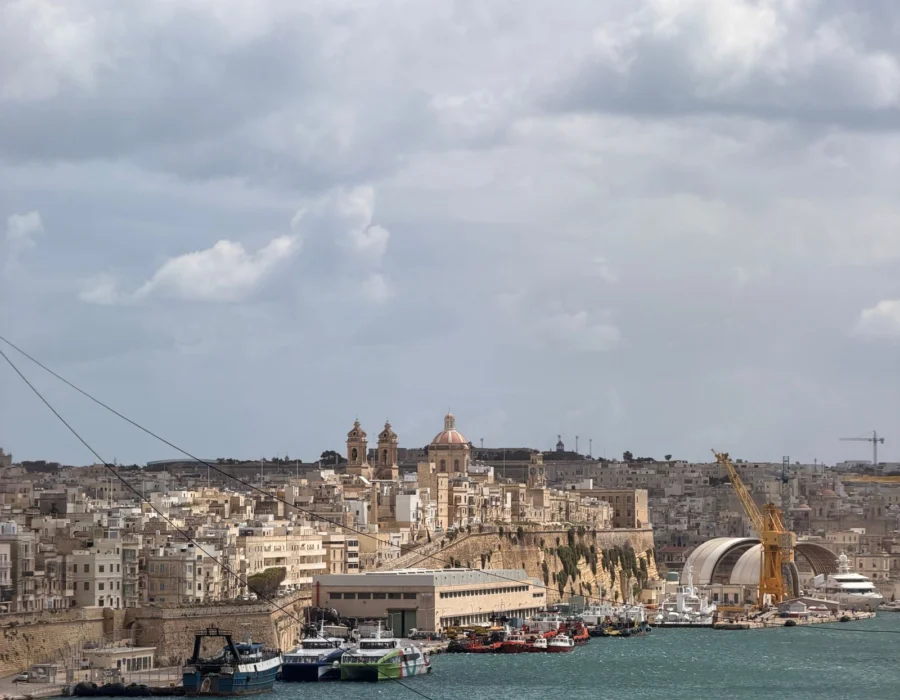
Sliema and Buġibba are flattest
Both are flat, with seafront promenades running for kilometres. They’re much the easiest bases, and the promenade doubles as the day out.
Valletta is manageable along its main streets, which run level, but nearly every cross street is stepped. Plan routes along the spine rather than across it.
Accessible stays
The old towns are steep
The Three Cities, Mdina and Mellieħa all involve serious gradients, and the older streets are stepped rather than sloped. That’s medieval hill towns for you, and no amount of planning changes it.
Some of it is still reachable. Mdina’s main street runs level once you’re through the gate, and a taxi to the top changes what’s possible.
Routes and timings
Beaches and historic sites
Several of the larger sandy bays have boardwalks and, in season, assisted access equipment. The rocky swimming spots almost never do. They’re the majority.
The main Heritage Malta sites have made real adaptations. The prehistoric temples still sit on uneven ground, and the Hypogeum involves stairs and tight spaces.
Find a bay
Access changes as buildings are adapted, and seasonal beach equipment isn’t out all year. Contact the site itself or Heritage Malta before you travel rather than relying on a general description, including this one.
Arriving and getting to your base
Arrange the airport transfer before you travel. You cannot sort out the vehicle type at the kerb, so say what you need when you book.