


Malta is a bread culture, which makes coeliac disease harder work here than in some places. It is manageable, but it needs asking rather than assuming.
A food walk helps you avoid the tourist menus along the harbour.
What to know
Ask about the fryer specifically
Shared oil is the most common failure point and it is rarely volunteered. Most kitchens understand the request; fewer have a separate fryer or preparation area.
That difference matters for coeliac disease rather than for preference, so it is worth asking directly.
What Maltese food is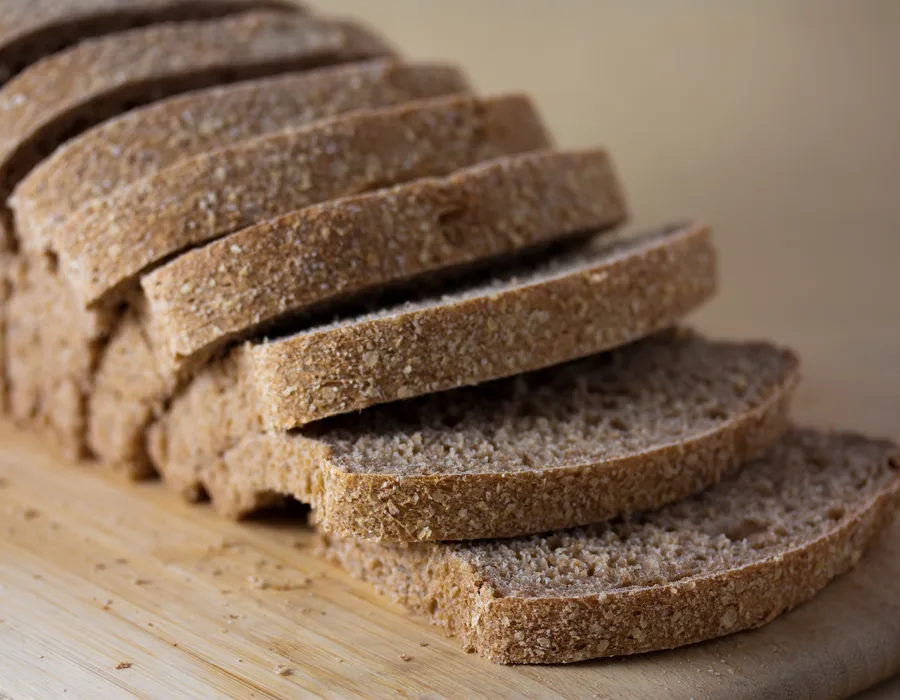
Local dishes that work as made
Bigilla (a broad bean dip), grilled fish and kapunata (a Maltese vegetable stew) need no changes. Nor do ġbejniet (small dried sheep cheeses) or most of the stews. Bragioli and anything crumbed are not.
A lot of the Maltese vegetable repertoire is naturally gluten free, because it was built around beans and tomatoes rather than pastry.
Vegan and vegetarian
Supermarkets stock well
The larger chains carry a reasonable free-from range and pharmacies often stock specialist products.
English is an official language here, so both coeliac and gluten free are widely understood without translation.
The markets
Practical points
- Awareness is decent, rigour varies
- Most kitchens understand the request. Fewer have a separate fryer or preparation area, which matters for coeliac rather than preference.
- Ask about the fryer specifically
- Shared oil is the most common failure point. It is rarely volunteered.
- Supermarkets stock well
- The larger chains carry a reasonable free-from range, and pharmacies often stock specialist products.
- Naturally safe local dishes
- Bigilla, grilled fish, kapunata, ġbejniet and most stews are fine as made. Bragioli and anything crumbed are not.
- The word to use
- Coeliac or gluten free is widely understood in English, which is an official language here.
There is a real difference in how a kitchen responds to a preference and to a diagnosis. Saying it is medical changes the answer you get. It is worth doing even when it feels awkward.