


Maltese food comes from a Sicilian kitchen, two hundred years of British rule, and an island with very little fresh water. It is bread-led, heavy on ricotta and tomato, and careful with meat. It is plain food and does not try to impress anyone.
What to eat in Malta is a shorter list than most countries and a better one than the island’s reputation suggests.
Very little of it is restaurant food. The national dishes are bakery items, Sunday lunches and things eaten standing up, which is why visitors often leave saying they never found it.
A guided tasting covers in one afternoon what would take you a week to find.
The things worth knowing by name
Ftira
This is a flattened sourdough ring, baked dark, then split and filled with tuna, olives, capers, tomato and oil. Malta’s bread culture is on the UNESCO intangible heritage list. This is its best argument.
It is assembled cold and improves for half an hour in a bag, which makes it the right thing to take to a beach.
Where to find good ftira
Pastizzi
These are diamond-shaped filo parcels filled with ricotta, or with a mushy pea filling called tal-pizelli. You eat them hot, at any hour, for well under a euro.
The same counters usually sell qassatat (round pastry parcels), which are rounder, more substantial and filled with ricotta, peas, spinach or tuna.
The pastizzerija test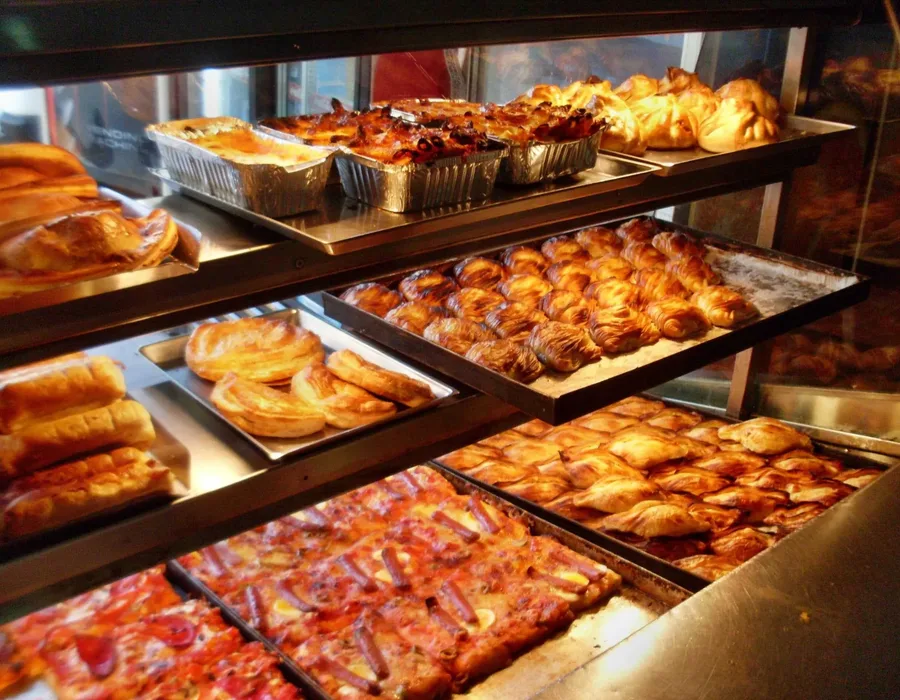
Fenek
Rabbit is stewed slowly in red wine and garlic, or else fried. A fenkata (a rabbit dinner) is a whole meal rather than a single dish. The pasta comes first, served in the sauce the rabbit was cooked in. The rabbit follows. It is usually eaten as a group in a village restaurant.
Bragioli are beef olives, thin steak wrapped around egg, bacon and breadcrumbs, and they turn up on the same menus.
Fenkata eveningsBook a food tour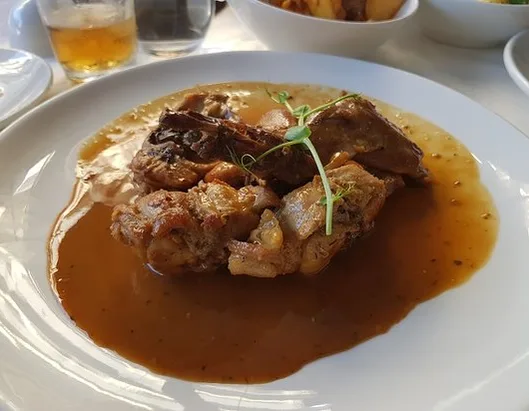
Lampuki
This is dorado, caught between roughly August and December. The pie version, with tomato, olives, capers and walnuts, is a real seasonal dish rather than a menu fixture.
If you see lampuki (dorado, also sold as mahi-mahi) in March, it is frozen or it is something else.
Where to eat fish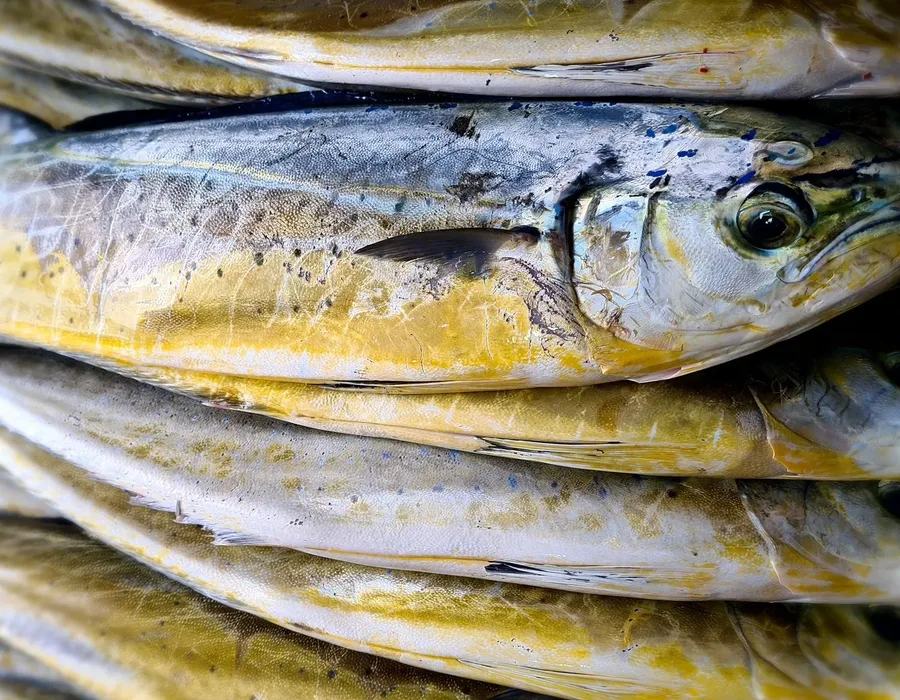
Other dishes worth knowing
Worth ordering
- Ġbejniet
- Small round sheep or goat cheeselets from Gozo, sold fresh, dried or rolled in cracked pepper. They turn up in salads, in ftira (Maltese flatbread) and on their own.
- Bigilla
- A thick broad bean paste with garlic and parsley, eaten with galletti crackers. Vegan as made, and excellent.
- Kapunata
- The Maltese version of caponata: aubergine, tomato, capers and olives. A side, a starter or a whole lunch with bread.
- Imqaret
- Deep-fried date pastries, sold hot from vans and kiosks. Sweet, sticky and best eaten immediately.
- Qassatat
- Round pastry parcels, more substantial than pastizzi (savoury pastries), filled with ricotta, peas, spinach or tuna.
- Aljotta
- Fish soup with garlic, tomato and rice. Thin, sharp and much better than it sounds.
You will not find it on the seafront. Village bakeries, pastizzeriji and family-run places inland are where this food lives. A menu written in Maltese first, with fewer than fifteen things on it, is the most reliable signal on the islands.