


A scooter solves the problem a car creates here, which is parking. It also exposes you to Maltese traffic, which is dense and assertive. Whether that trade is worth it depends a great deal on how confident a rider you are.
Before you hire one
Parking stops being a problem
You can park a scooter where no car will fit, which in Sliema, St Julian’s and the harbour towns is most of the difficulty gone.
Running costs are negligible and the distances here are short.
Parking and the CVACompare hire cars instead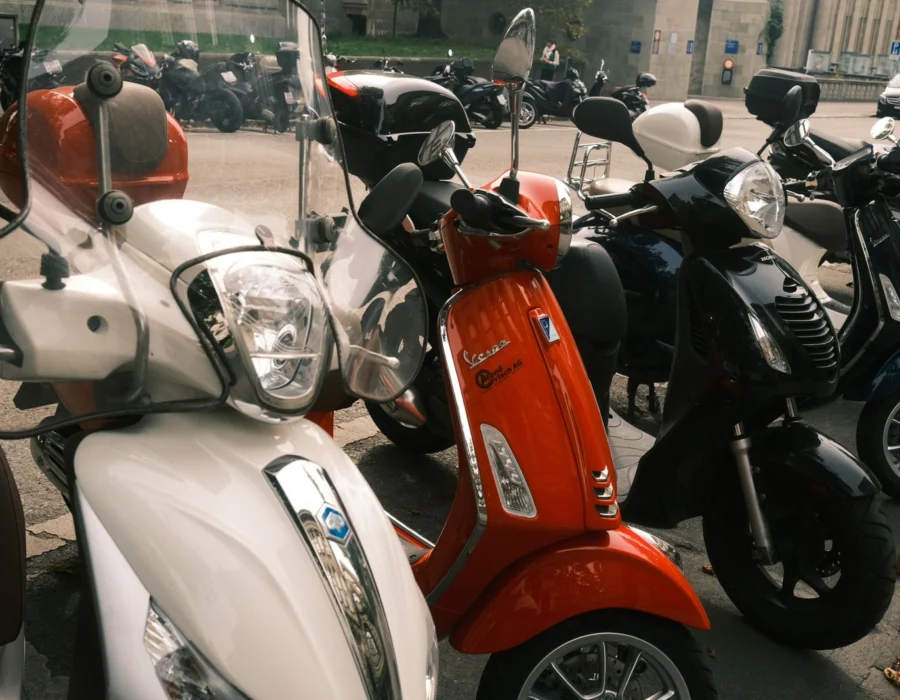
Maltese traffic is assertive
Lane discipline is loose, indicating is treated as optional by a fair number of drivers, and road surfaces vary sharply.
If you have never ridden in dense traffic, this is not the place to learn.
Driving in Malta
Licence, helmet and insurance
What your licence covers here depends on the category and the engine size. Helmets are compulsory, and the excess on scooter hire is often high.
Photograph the machine before you ride off, exactly as you would with a car.
Car hire instead
What to check
- Licence category
- You need a licence appropriate to the engine size. A car licence does not automatically cover everything on the forecourt.
- Helmets
- Compulsory, and provided. Check that it fits rather than accepting the first one handed over.
- Insurance and excess
- Same principle as car hire: the excess matters more than the daily rate.
- By the week
- Weekly rates are substantially better than daily ones, and most trips end up wanting the bike for longer than planned.
- Gozo
- Far better riding than Malta, with a fraction of the traffic.
Narrow roads, variable surfaces, roundabouts where indicating is treated as optional, and very little margin at the kerb. If you have never ridden in heavy traffic, Malta is not where to learn. Rules on e-scooters and e-bikes have also been revised more than once; check the current position with Transport Malta before hiring one.