


Malta drinks more than its size suggests, and almost none of it is imported. There is a national soft drink nobody outside the islands has heard of. There is a lager older than most European brands still trading, and a wine industry using grapes that grow nowhere else.
A food walk helps you avoid the tourist menus along the harbour.
What to order
Kinnie
It is made from bitter orange and wormwood, it is amber and fizzy, and it tastes like nothing else. First made in 1952.
It divides visitors sharply. Try it twice before deciding, because almost nobody likes it on the first sip and plenty of people are converted by the second.
What to eat with it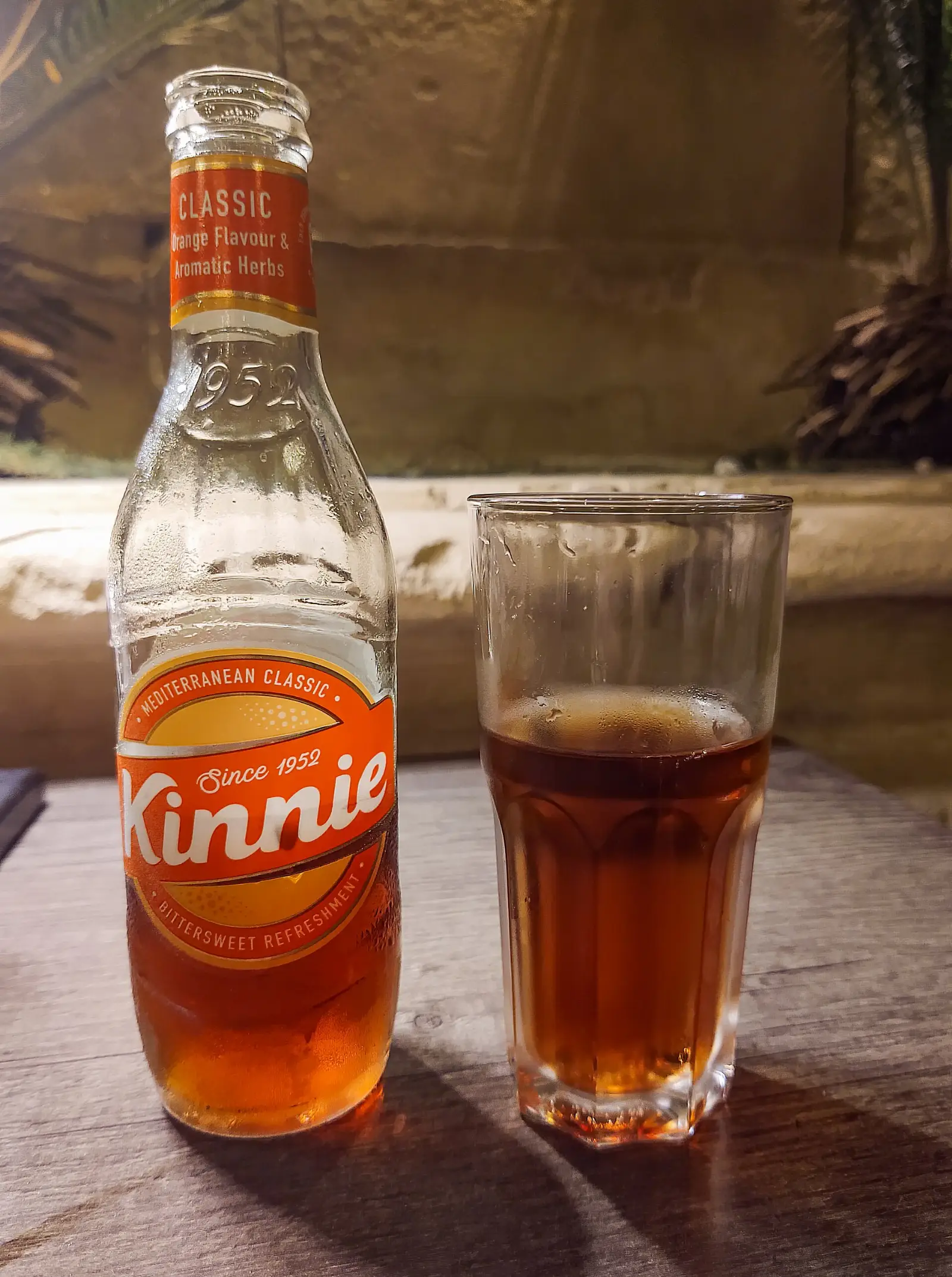
Cisk
Cisk is the local lager. It is cold, unfussy and exactly right after a day in the sun. Ask for a pint and you will usually be handed a bottle.
Every village bar has it, and a bottle there costs a fraction of the seafront price.
Where to drink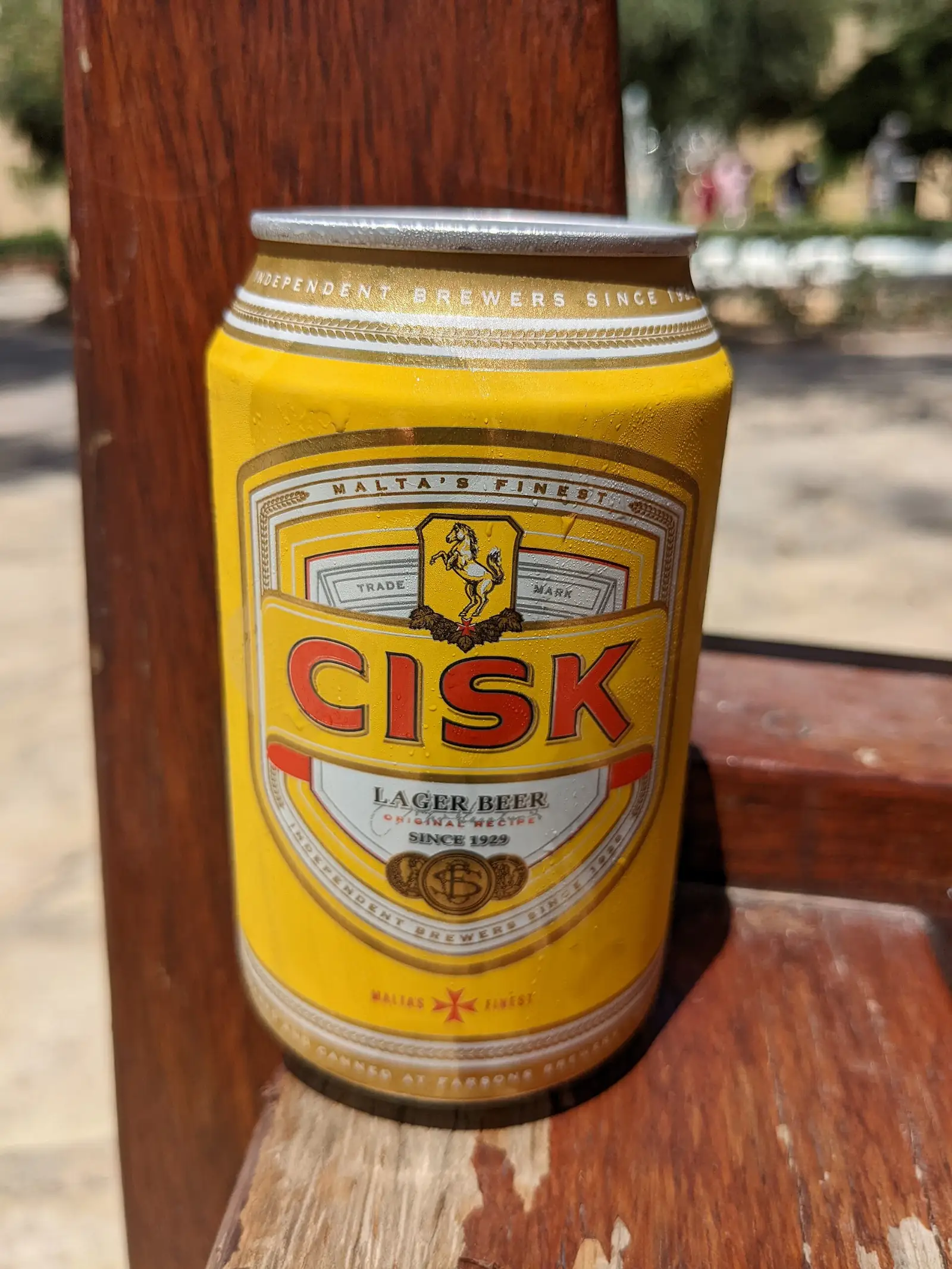
Maltese wine
Two indigenous grapes are worth seeking out. Girgentina is white and light. Gellewza is red and softer than it looks.
Wine made from imported grapes is labelled differently from wine made from Maltese fruit. The distinction is worth reading on the bottle before you order.
Wine tastingsBook a wine tasting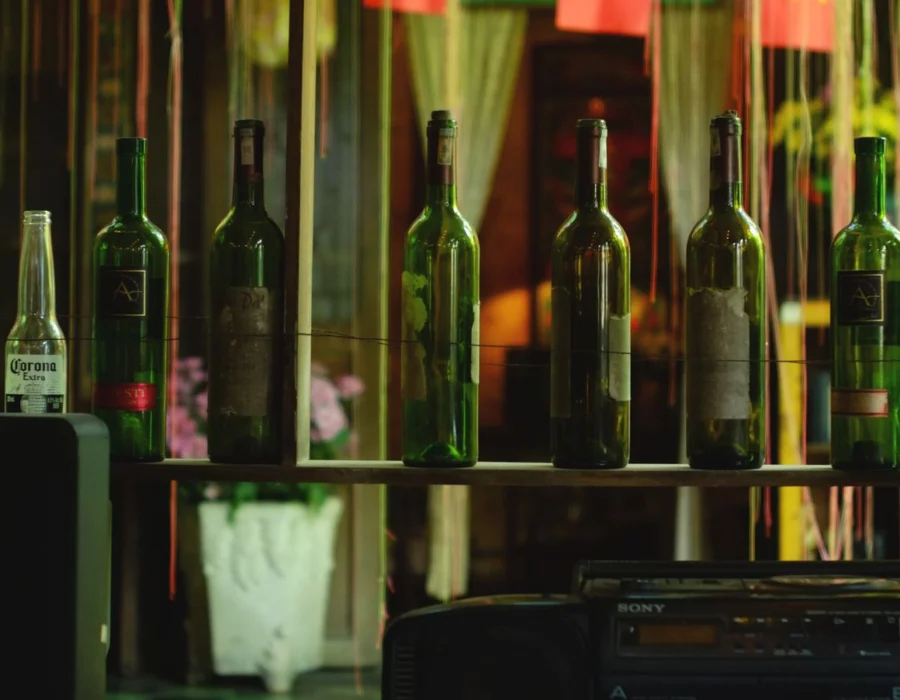
Bajtra and anisette
Bajtra is a prickly pear liqueur, sweet and bright pink, sold in every gift shop and drunk mostly after dinner.
Maltese tea is often brewed strong with evaporated milk, and tea with anisette is a village bar tradition rather than anything laid on for visitors.
More on eating and drinking
The full list
What to try
- Kinnie
- Bitter orange and wormwood, amber, fizzy, and unlike anything else. First made in 1952.
- Cisk
- The local lager, brewed since 1929. Cold, unfussy and correct after a day in the sun.
- Maltese wine
- Girgentina, white and light, and Gellewza, red and softer than it looks. Both grown nowhere else in any quantity.
- Bajtra
- A prickly pear liqueur, sweet and bright pink, drunk mostly at the end of a long meal.
- Anisette and tea
- Maltese tea is often brewed strong with evaporated milk. Tea with anisette is a village bar tradition.
- Tap water
- Safe to drink. Most of it comes from reverse osmosis and tastes strongly of minerals, which is why many people here drink it filtered.