Malta does not cool down slowly. For most of September the daytime temperature sits where it was in August, and then over about a week it lets go.
The first thing to change is the humidity. August here is heavy rather than simply hot, and the relief comes from the air drying out.
The nights go first
Night temperatures fall before daytime ones.
Late August nights sit around 24°C. By the end of September they are closer to 19°C.
People notice that one most, because it lets you sleep without air conditioning.
The days hold on
Daytime highs stay near 29 or 30°C for most of September and only drop through October.
The sea holds its heat longer still, sitting around 26–27°C into early October.
Walking around Valletta or Mdina at midday is unpleasant until the last week of the month.
Before then, keep to early morning and after four.
What else changes
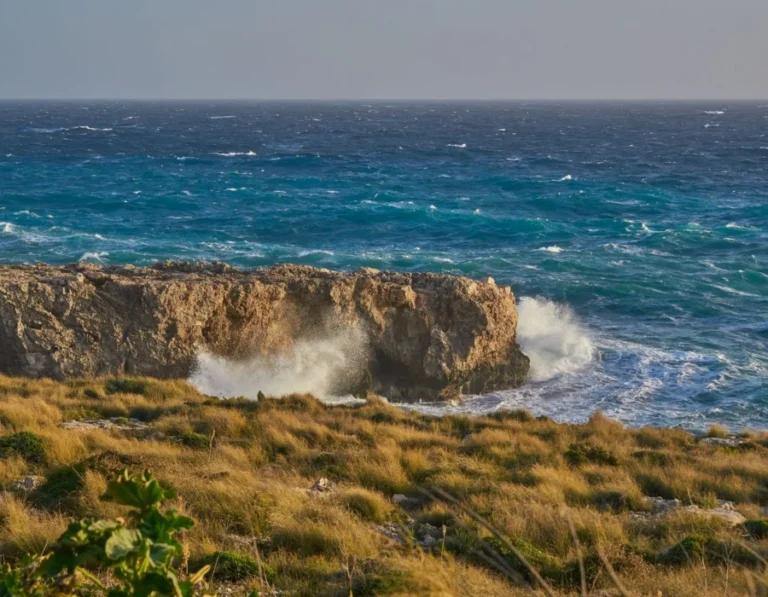
- The northwesterly starts blowing more often, which makes the west coast bays choppy.
- The first proper rain usually arrives in the second half of the month, often as one heavy thunderstorm.
- Village feasts finish and the beach kiosks start closing.
- Schools go back and the morning traffic doubles from about the last week.
- Hotel prices fall sharply from about the third week.
The best fortnight of the year
Late September into early October is the most comfortable stretch for walking, diving and being outside all day.
The sea is still at its warmest and the crowds have gone.
Visibility for diving is at its best now, before the winter storms stir the bottom.
It is also the cheapest fortnight before the winter rates, and everything is still open.
What to pack for it
Bring a light jacket for the evenings from the last week of September. It is the one thing people forget.
Swimming gear still earns its place in the bag through October and often into November.
An umbrella is worth having from mid-month. When it rains here it rains hard and briefly.