The wind decides more of your day in Malta than the temperature does. It sets which beaches are swimmable, whether the Gozo ferry runs, and how a summer night feels.
Each direction has a Maltese name. Locals will tell you which one is blowing before they tell you the forecast.
Majjistral: north west
The most common wind here, and the most disruptive.
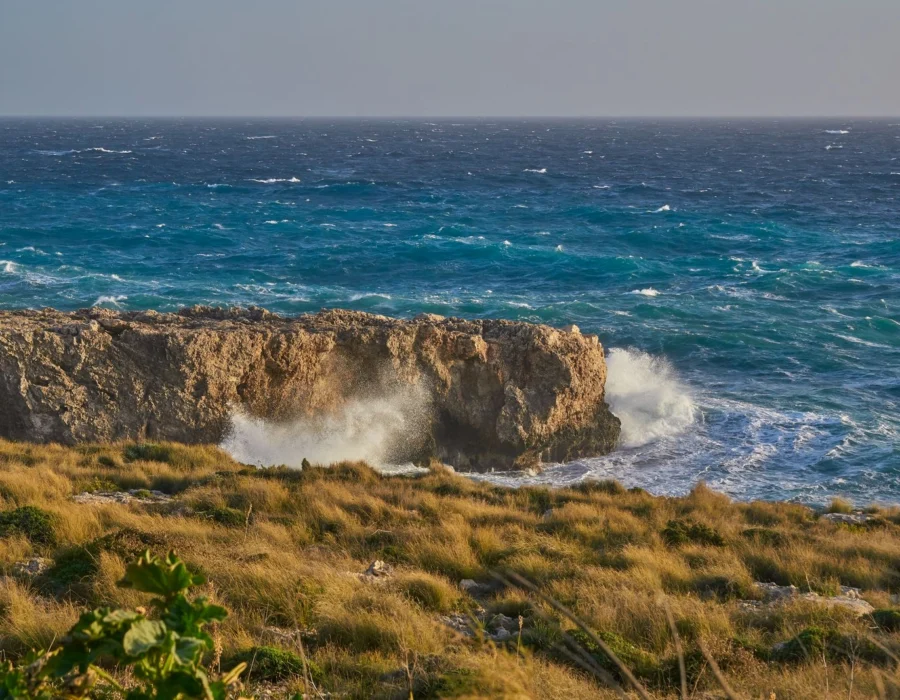
It churns up the entire north west coast, which is exactly where the sandy beaches are. Golden Bay, Għajn Tuffieħa and Mellieħa all get chop and red flags when it blows.
Swim on the south east side instead. St Peter’s Pool, Marsaskala and the Sliema rock shelves stay flat.
Grigal: north east
Cold in winter and it hits the harbours head on.
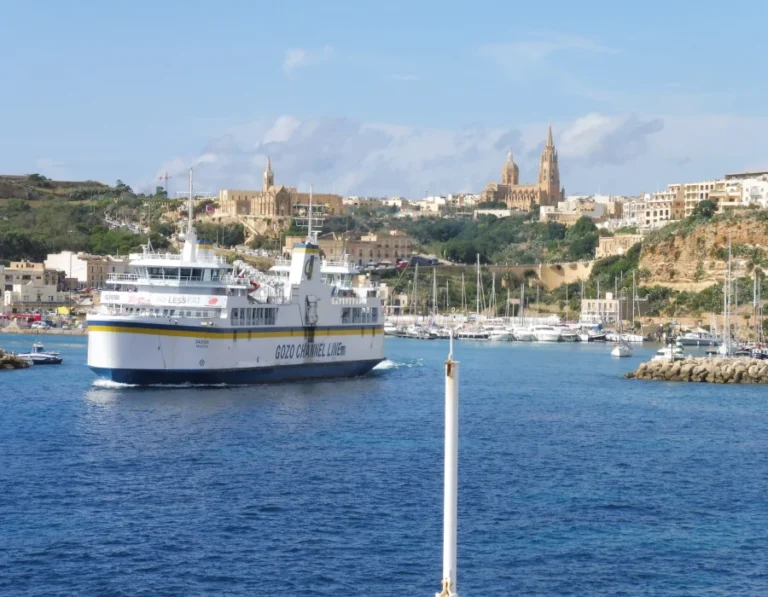
A strong grigal is the one that stops the Gozo ferry and the Comino boats. If a crossing is cancelled, this is usually why.
It also pushes swell straight into Marsaskala and St Paul’s Bay, which are otherwise sheltered.
Xlokk: south east
Warm, damp and heavy. It comes off North Africa.
A xlokk can carry fine red Saharan dust that settles on cars and windows overnight. It also makes a summer night feel airless, because it brings no cooling at all.
Marsaxlokk takes its name from it: marsa is harbour, xlokk is this wind.
Tramuntana: north
Clear and cold. It brings the sharp bright winter days when you can see Sicily from the north coast.
Good for walking and photographs, poor for swimming on the north side.
The other four names
Maltese names all eight points of the compass, and you will hear these too:
- Lvant: east.
- Nofsinhar: south.
- Lbiċ: south west.
- Punent: west.
How to use it
Check the wind direction in the morning, then pick a bay on the opposite coast.
Malta is small enough that the sheltered side is never more than half an hour away. Our beach pages show which bays are open to which wind, and what today’s is doing to each one.