10 February is the feast of St Paul’s Shipwreck and a public holiday across Malta. It marks the event Malta dates its Christianity to, in AD 60. Nearly every other large feast falls in summer, so this is one of the few worth planning a winter trip around.
What the day marks
The Acts of the Apostles describes Paul being shipwrecked on Malta while he was being taken under guard to Rome. The account says he stayed on the island for three months and was treated well. Malta takes AD 60 as the year and has built a great deal on it since.
Where it happens
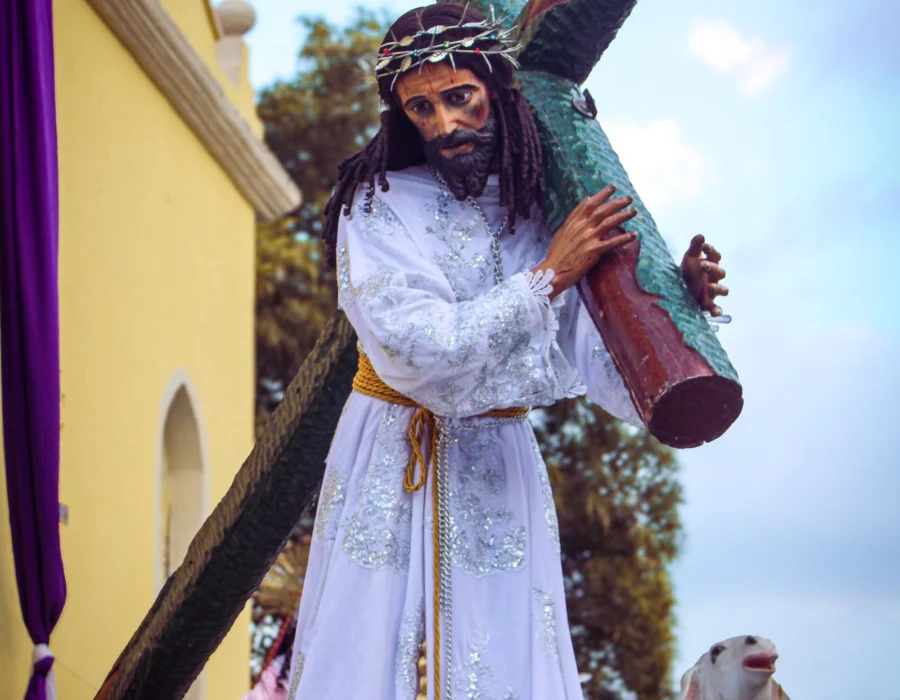
The church of St Paul’s Shipwreck is in Valletta, on Triq San Pawl, a few minutes from Republic Street. It is the centre of the day. The statue is carried out and through the surrounding streets in the afternoon, with a band in front of it.
The streets around the church are narrow and fill up early. If you want to see the statue come out rather than watch it over shoulders, get there before the procession is due to start.
St Paul’s Bay is named after the same story
The town of St Paul’s Bay in the north takes its name from the tradition that the ship came ashore there. The small islands just offshore are called St Paul’s Islands.
The larger one carries a statue of him, put up in the nineteenth century. You can see it from the coast road.
What closes on the day
It works like any other public holiday here. Banks, government offices and most shops shut, buses run a Sunday timetable, and restaurants in the tourist areas mostly carry on as normal. Museums usually open.
Almost every other feast is in summer
Malta has 134 village feasts and the great majority of them run between June and September. February gets this one. There is a full guide to how a feast is put together, from the band clubs to the fireworks.