The end of the season in Malta is not a single date. Several things change over about six weeks from the start of September, and they do not all happen together. Knowing the order helps if you are booking a late trip.
The beaches empty first
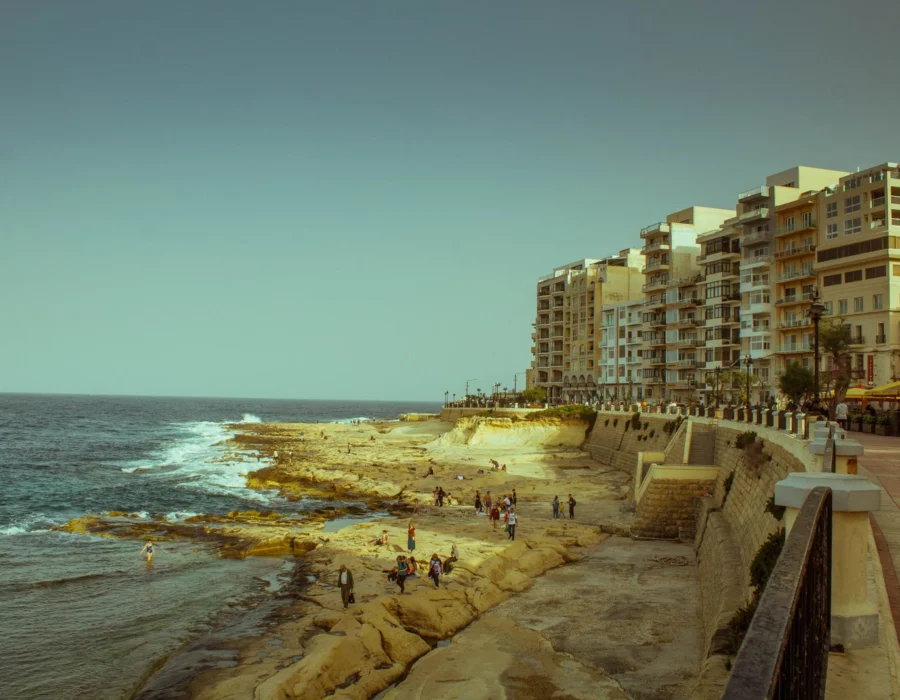
Maltese schools go back towards the end of September, and local families stop going to the coast on weekdays well before that. The busy bays are noticeably quieter from the first week of the month, while the weather is still full summer.
Prices come down
Accommodation is at its most expensive in July and August and drops through September and October. The difference between the middle of August and the middle of October is large. Flights follow the same pattern.
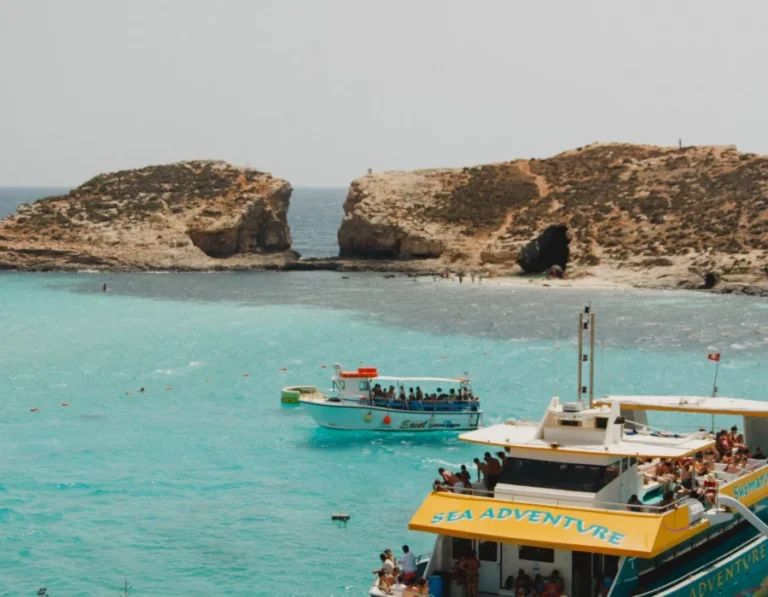
Boat trips go before anything else
Trips to Comino, harbour cruises and charters depend on calm sea. As the north-east wind becomes more common they start being cancelled, then run less often, then stop for the winter. If a boat trip matters to your visit, come earlier rather than later.
Kiosks at the smaller bays close on the same logic. A bay with food and drink in August can have neither in November.
The sea stays warm the longest
Water temperature lags behind the air, so September is the warmest month for swimming and October is usually still comfortable. You get quiet beaches and warm water at the same time, which is the argument for coming late.
The wind changes direction
The prevailing summer wind is north-westerly. From September the north-easterly becomes far more common, so the sheltered side of the island swaps over. There are twenty six bays with no north-east exposure to fall back on.
Feasts and opening hours
August has 32 village feasts, September has 15 and October has 8. Museums and heritage sites stay open all year, but move to shorter winter hours in the autumn. Check the closing time before a late afternoon visit.