Malta has no train and no tram. The bus network covers the whole island and it is the main way to get around without a car. It works well once you know two or three things about it.
Almost everything runs through Valletta
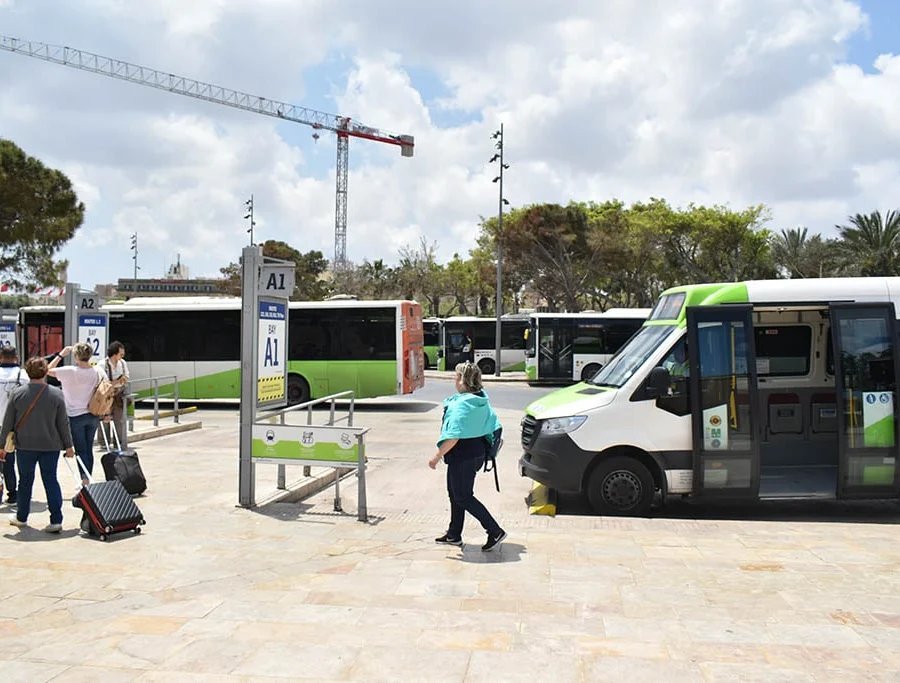
The main terminus is outside the city gate in Valletta, and a large share of routes start or end there. Going from one town to another often means changing in Valletta, even when the two towns are close to each other on the map.
There are direct routes between some of the bigger coastal towns that skip the capital. If you are staying outside Valletta it is worth finding out early which ones serve you.
The Tallinja card is cheaper
Tallinja is the travel card. Paying the driver in cash on board costs more per journey than tapping a card.
The card also caps what you pay over a period. If you are here for more than a few days it pays for itself.
You tap on when you board. There is no tap off.
Put your hand out
Buses do not stop at every stop automatically. If you are waiting and you do not signal, the driver will keep going. Stand where you can be seen and put your arm out as the bus approaches.
Buses fill up in summer
Between June and September the routes to the popular bays get full, and a full bus will pass a stop without stopping. Travelling early avoids most of it. On the way back in the late afternoon, walking one stop back up the route sometimes gets you a seat.
Gozo has its own network
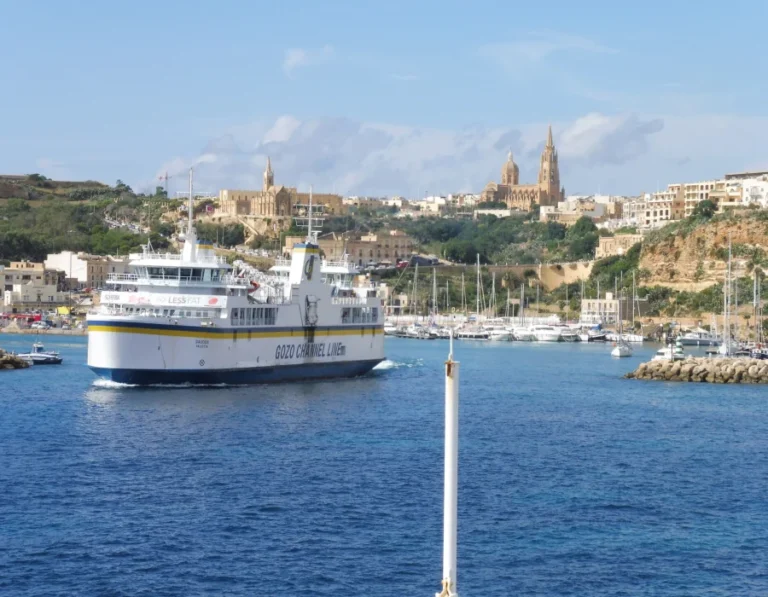
Gozo routes run from the ferry terminal at Mġarr and fan out across the island. The same card works. Services are less frequent than on the main island, so check the return time before you commit to a long walk somewhere.
Check before you leave
Live times and route detail are on the bus tool, and the fuller explanation of tickets, fares and night routes is on the buses page. On public holidays the whole network drops to a Sunday timetable.