Kapunata looks like ratatouille and it is not. It is a Maltese dish of aubergine, tomato, onion, capers and olives, cooked down and eaten cold more often than hot.
The difference is vinegar. It gives the dish a sharp edge the French version does not have.
What goes in it
- Aubergine: the base, cut into cubes and fried first.
- Tomato, onion and garlic: cooked down slowly.
- Capers and green olives: Malta uses more capers than Sicily does.
- Vinegar and a little sugar: added near the end.
Some households add sultanas or a spoon of tomato paste. Every family version is slightly different and every family thinks theirs is correct.
How it is eaten
Cold or at room temperature, with bread, usually as part of a platter alongside ġbejniet and bigilla.
It also turns up as a side with fish. It is better on the second day than the first, once the vinegar has settled into the aubergine.
Kapunata and Sicilian caponata
The Sicilian caponata is the obvious relative. Sicily is 80 km away and the two islands have shared cooking for centuries.
The Maltese version is usually simpler, heavier on the capers, and less sweet. Sicilian recipes often add celery, pine nuts or cocoa, which you will not find here.
Where to find it
Kapunata is a home dish more than a restaurant one. It appears on menus as part of a Maltese platter rather than as its own course.
Village restaurants and agriturismo places in Gozo are the most reliable. Supermarkets sell it in jars, which is fine and not the same thing.
It is at its best in late summer, when the aubergines and tomatoes are local and cheap.
If you are vegetarian
Kapunata is one of the few traditional Maltese dishes that is vegetarian as it comes.
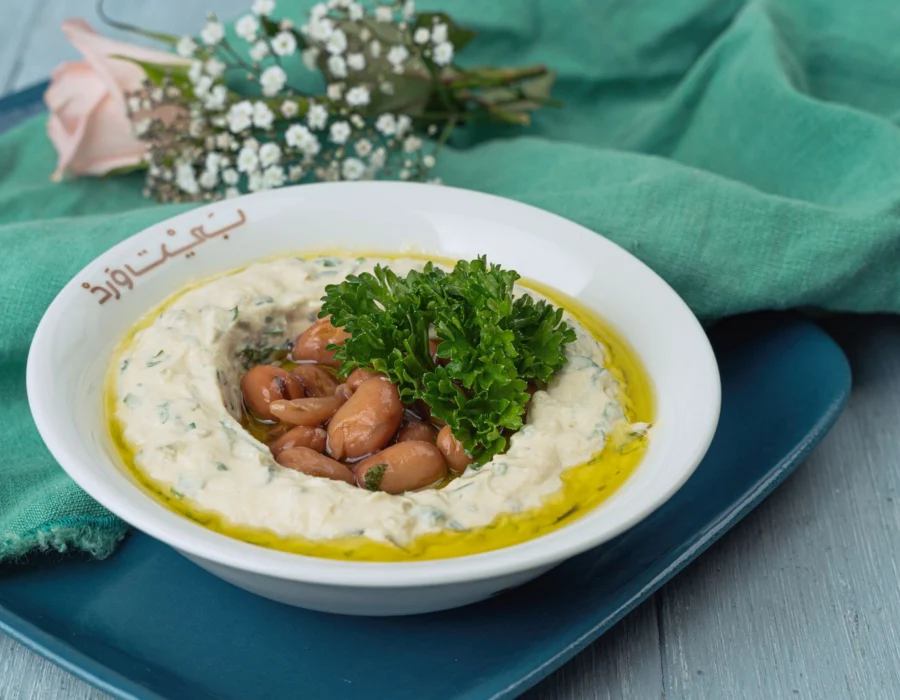
The others are bigilla, the broad bean dip, and ħobż biż-żejt ordered without tuna. Ask for any of the three and you get a plate rather than a puzzled look.