Maltese food is not Italian food under another name. It reads that way on a menu.
Then you eat a plate of rabbit and realise that the island has always cooked with what it had, not with what it wanted. This page explains what to order and how to order it.
Somebody who knows the kitchens takes you round the places you would walk past.
Buy pastizzi where there is a queue

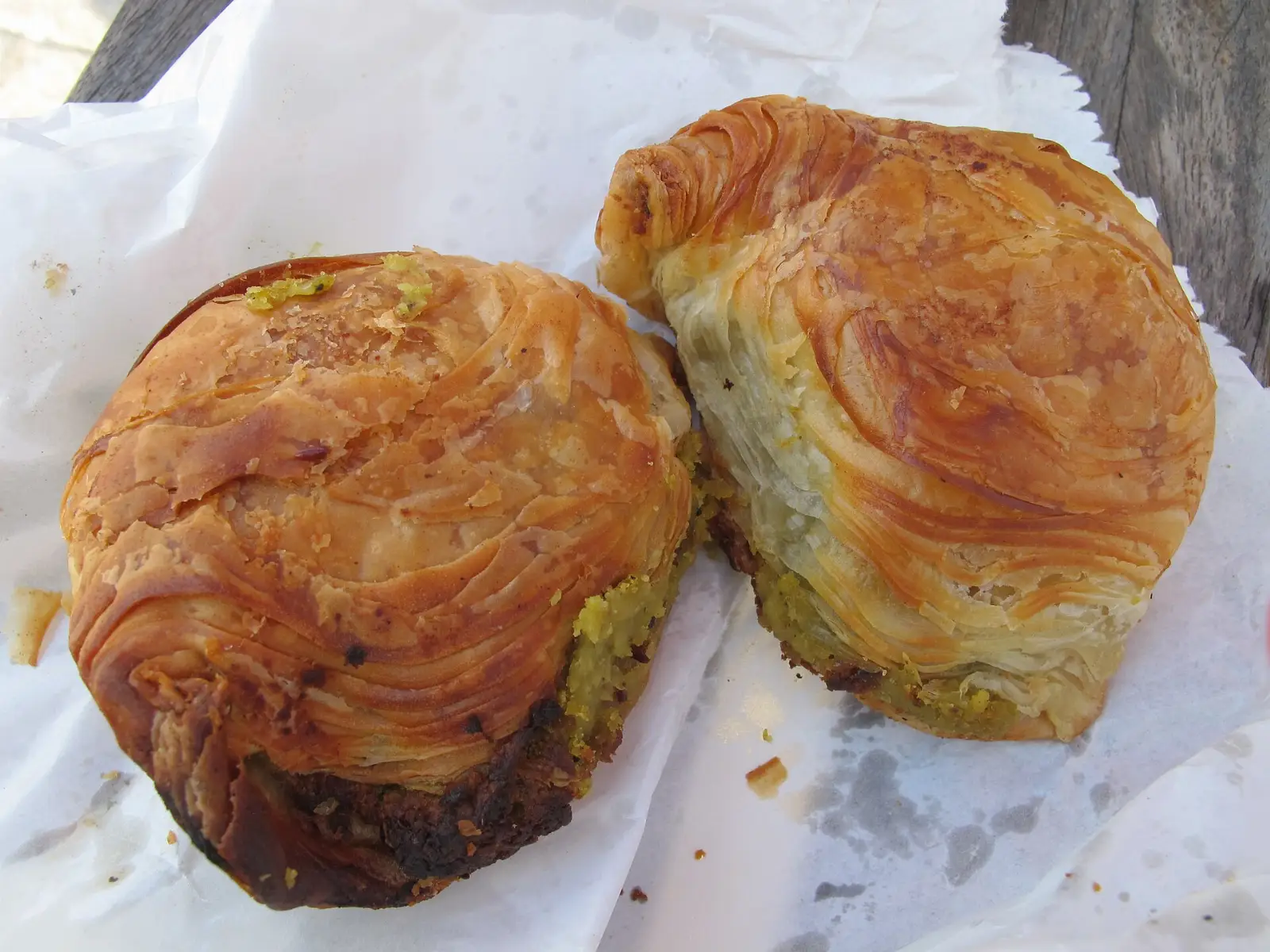
A pastizz is a diamond of flaky pastry filled with ricotta or with mushy peas, and it costs small change. Where you buy it matters.
Look for a pastizzerija with a queue and a tray coming out of the oven. A warm pastizz is a different food from a cold one that has been sitting since eleven.
Ask for ta’ l-irkotta for the cheese and ta’ li’piżelli for the peas, or point, which everybody does.
UNESCO lists the making of ftira
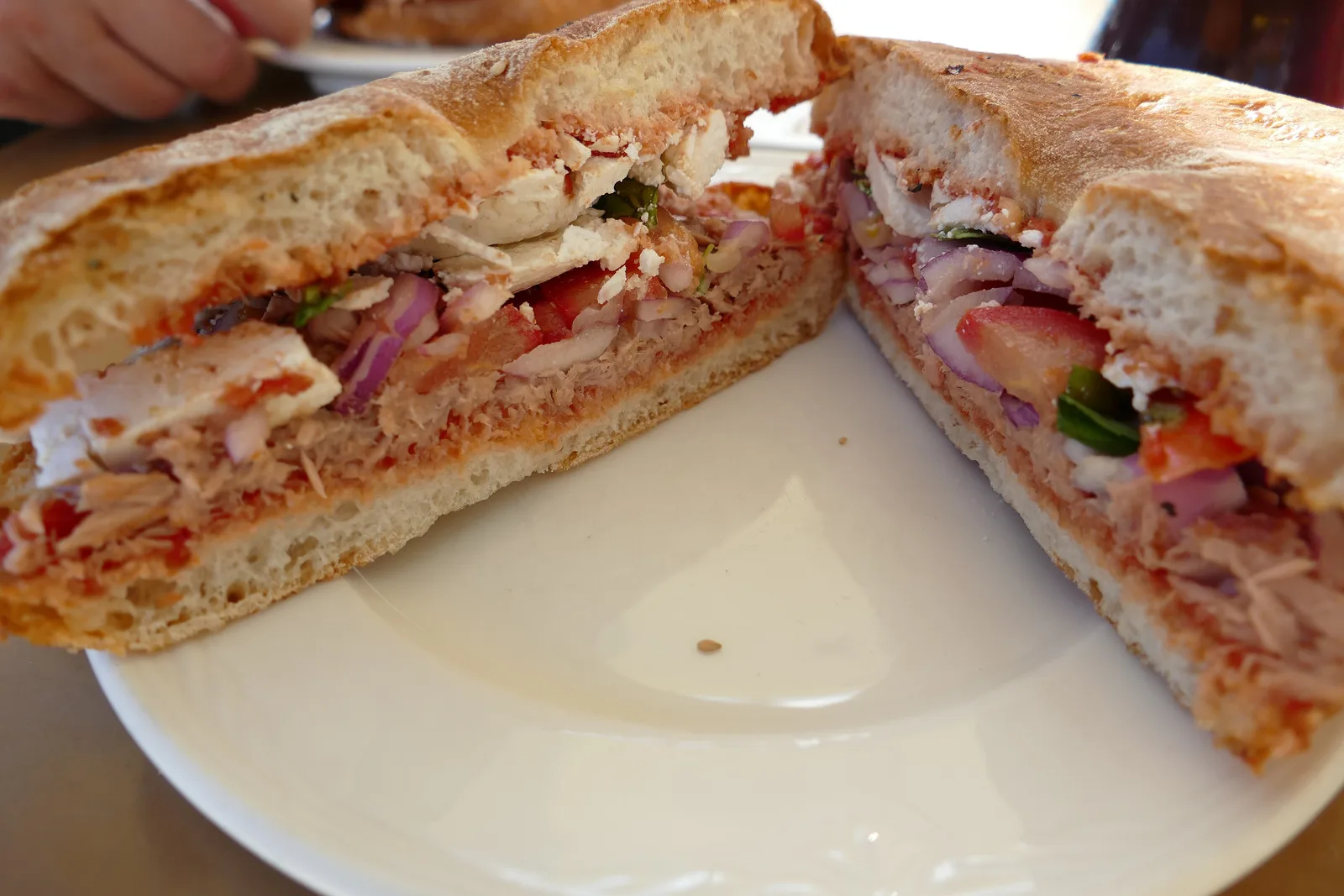
The ftira is a flattened sourdough ring with a dense chew and a blistered crust. In 2020 UNESCO added the making and sharing of it to its intangible cultural heritage list. The listing covers the bakeries and the custom rather than any one loaf.
The classic filling is ħobb biż-żejt. Bread is rubbed with ripe tomato until the crumb stains red, then topped with olive oil, tuna, capers, olives and onion.
Made well, it is barely closable. If yours arrives looking neat, it is a sandwich rather than a ftira.
A fenkata takes a whole evening
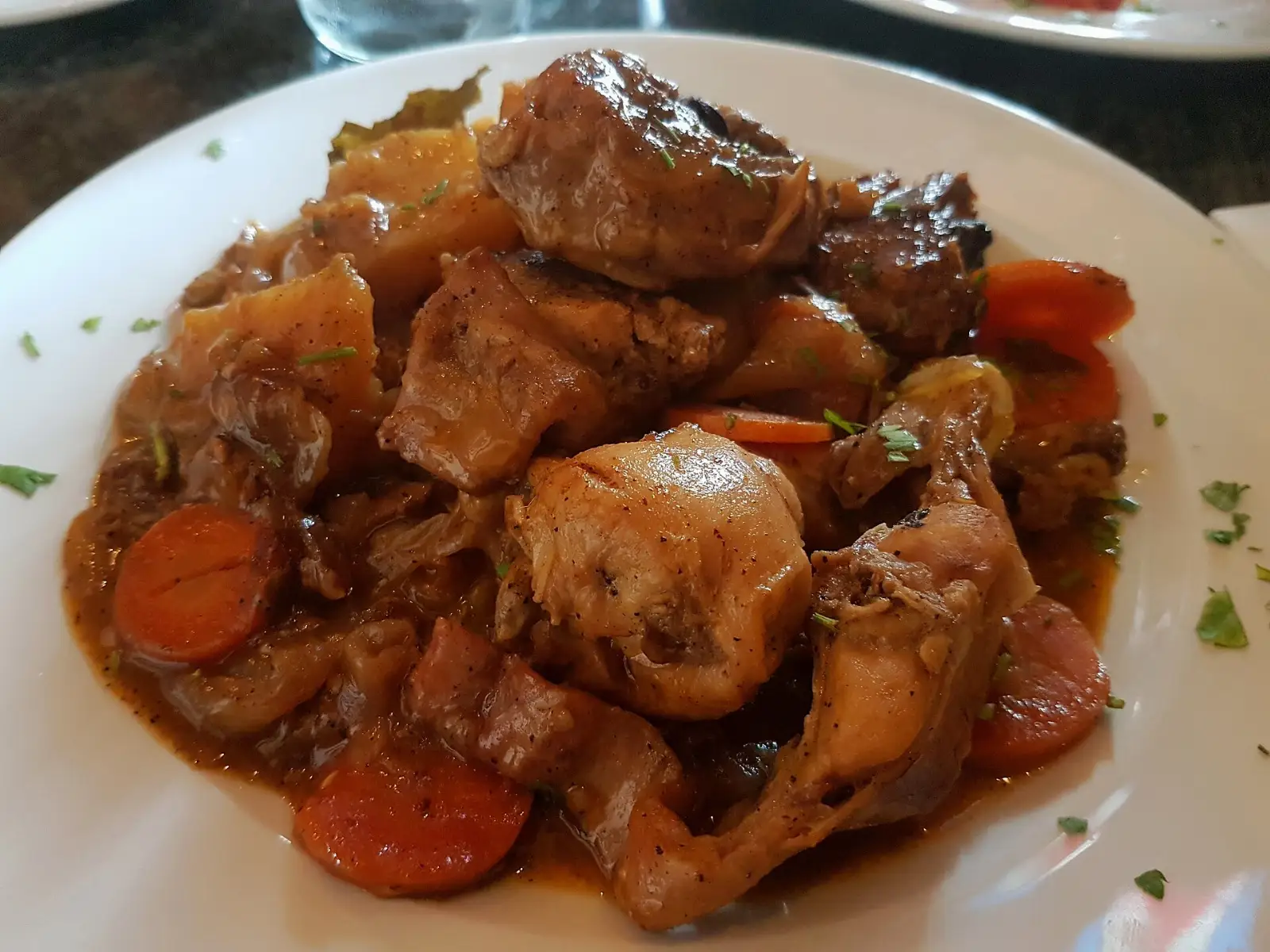
Rabbit is effectively the national dish, and a fenkata is the event built around it. It comes in two courses and people order it wrong all the time.
The spaghetti comes first, dressed in the sauce the rabbit was slowly cooked in. The rabbit itself follows.
Ordering only the second course means missing the half that most Maltese people would say is the better one.
It is a group meal by nature. Villages in the south and inland do it best. It is not a quick lunch.
The platter is the cheapest way to try everything
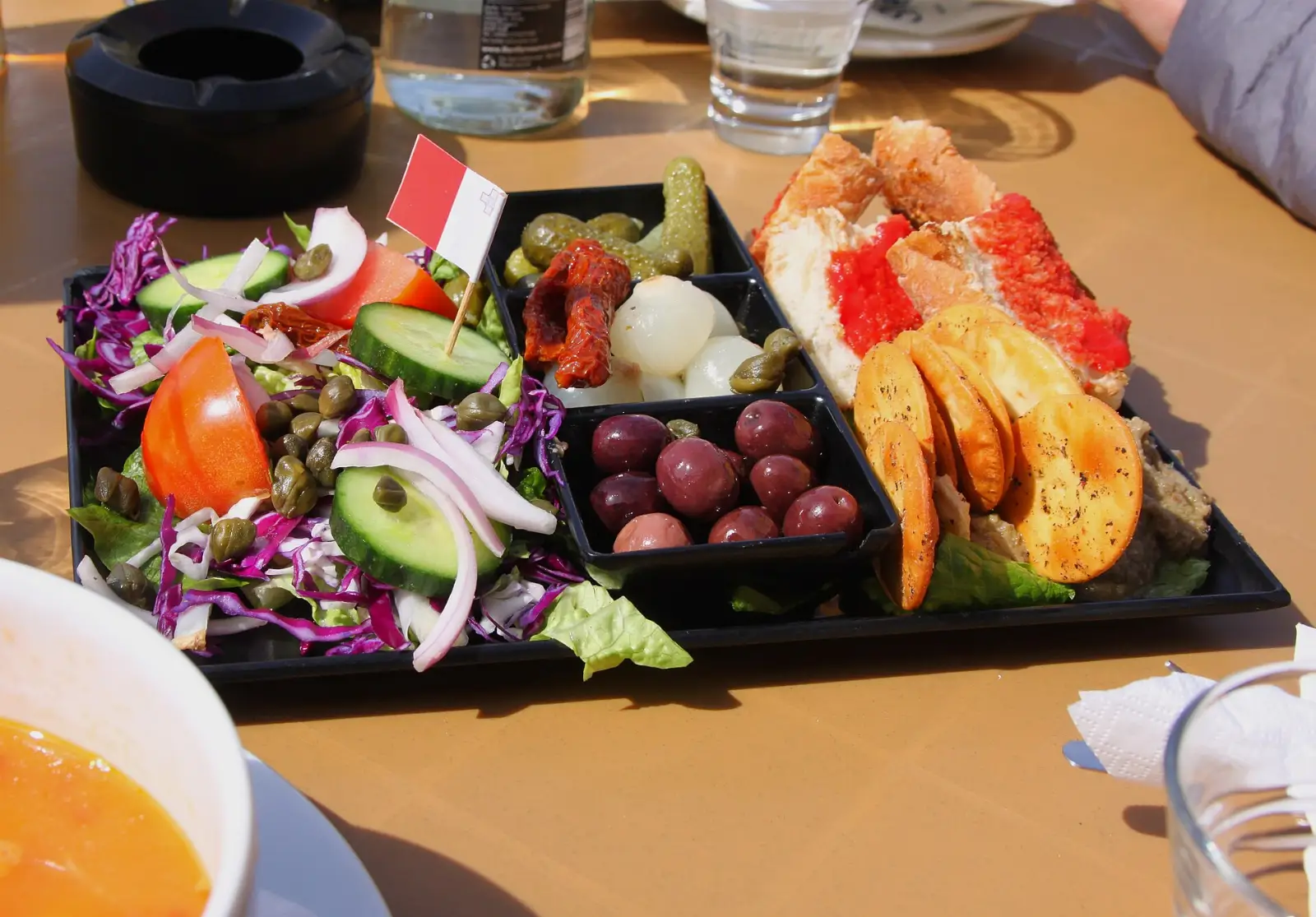
Order a Maltese platter early in a trip and you meet most of the pantry at once. Ġbejniet are small sheep cheeselets, fresh and mild or dried and peppered.
Bigilla is a thick broad bean paste with garlic. It is better than it sounds.
There will be sundried tomatoes, olives, and usually the local sausage.
Two drinks made in Malta
Kinnie is bitter orange and herbs, brown, fizzy and not sweet in the way a visitor expects. Most people dislike the first mouthful and finish the bottle. Cisk is the local lager, and people drink it with a fenkata.
One rule about the fish
Lampuki, the fish everybody writes about, runs between roughly August and December. Outside those months a lampuki pie is either frozen or something else wearing the name. Ask.
We keep a fuller guide to what each dish is, and a page on judging a good ftira.